Culturally Inclusive Early Learning in Canning Vale

Where Belonging Starts with Our Diverse Community

Choosing a childcare centre means finding a place where your child feels completely secure, respected, and understood. According to the latest Australian Bureau of Statistics (ABS) Census, families of Chinese and Indian ancestry make up 28.6% of our total Canning Vale community. With Mandarin spoken in 10.4% of homes and Punjabi tracking as our fastest-growing local language, we believe early education should actively reflect the real world our children live in.

At our Tribe Canning Vale centre, our day-to-day program intentionally integrates the languages, traditions, and backgrounds of our neighbourhood. We don’t treat cultural inclusion as a once-a-year event or a special project. Instead, we weave it directly into daily play because early childhood development research shows that experiencing multiple cultures and languages gives children a measurable cognitive advantage.

How We Include Culture in Daily Play

True inclusion comes down to what your child sees, hears, and interacts with every day. We build these concepts into our rooms through practical, hands-on resources:

Everyday Language Exposure

We use dual-language labels (such as English, Mandarin, and Punjabi) on common items around our rooms. Seeing different scripts daily helps children build early literacy skills and sparks natural curiosity about how other people communicate.

Real-World Resources

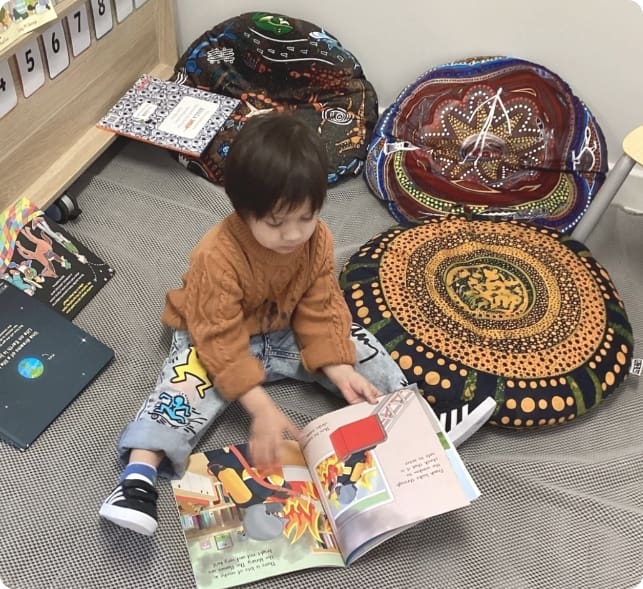
Our play spaces feature books written in multiple languages, diverse open-ended toys, and traditional musical instruments that reflect a variety of cultures.

Culturally Inclusive Meals

Food brings people together, and our kitchen is no exception. Our seasonal menu introduces children to a variety of global flavours, from mild curries to traditional dumplings, prepared fresh by our on-site cook. We easily accommodate specific dietary needs, offering healthy halal, vegetarian, and allergy-friendly options so every child can eat safely and inclusively. You can explore our foundational approach to eating on our dedicated food and nutrition page.

Calendar of Events & Storytelling
We celebrate major cultural milestones throughout the year, including the Lunar New Year and Diwali. Our goal is to make these events meaningful through authentic storytelling and music rather than surface-level craft activities. Educators share culturally significant stories, music, Food and age-appropriate discussions to help children develop an understanding of the traditions and values behind each celebration. We wear traditional costumes, display photographs, books, play music and participate in meaningful engagement with resources that reflect the cultural event. We invite families to visit the service to celebrate with us encouraging them to share their own traditions, stories, or experiences where possible. This collaborative approach helps children build respect for diversity and fosters a sense of belonging within our learning community.

The Cognitive Benefits of a Diverse Environment

Exposing young children to multicultural environments isn’t just about social harmony; it actively shapes how their brains develop. According to early childhood development research, children who grow up interacting with diverse cultures and languages show distinct cognitive benefits:

Stronger Problem-Solving Skills

Navigating different customs, sounds, and perspectives requires the brain to switch between different frameworks. This builds cognitive flexibility, the ability to adapt to new situations and solve problems creatively.

Advanced Communication

Children in inclusive environments develop a sharper awareness of communication nuances, helping them interpret both verbal and non-verbal cues more effectively.

Empathy and Social Development:

Learning alongside peers from all backgrounds fosters strong emotional intelligence. Understanding that people have different perspectives is a key milestone in social development and school readiness.

Alignment with National Frameworks

Our multicultural program is designed strictly around the Australian Early Years Learning Framework (EYLF). Specifically, it directly supports:
Outcome 1:
Children feel safe, secure, and supported when their home culture is respected at their centre.
Outcome 2:
Children connect with and contribute to their world by learning to respond to diversity with respect and appreciation.
Our priority is ensuring that the cultural respect you read about on this page matches the exact experience your family receives when you walk through our doors for a tour.

Frequently Asked Questions

My child doesn't speak Mandarin or Punjabi at home. Will they feel left out?
Not at all. Our multicultural approach is designed to be completely inclusive for all children. We do not teach rigid, language-only immersion classes. Instead, we introduce multiple languages through everyday play, songs, and environmental labels. This ensures English-speaking children gain natural exposure to global languages, while children from multilingual homes see their heritage respected and reflected daily.
Research shows that early exposure to diverse languages and cultural frameworks actively boosts brain development. Navigating different sounds, customs, and perspectives builds cognitive flexibility, the brain’s ability to adapt to new situations and solve problems creatively. Children who learn in culturally diverse environments also develop advanced communication skills and higher levels of empathy, which are core markers for school readiness.
No, we do not run a specific language-immersion program. We focus on providing a premium, culturally rich early learning environment. Rather than focusing on one specific language, our curriculum integrates the multiple heritages of our local Canning Vale neighbourhood.
We believe mealtime should be a shared, inclusive experience. Our on-site cook prepares a seasonal menu that regularly features mild, globally inspired flavours alongside standard favourites. To ensure every child can participate safely, we fully accommodate specific dietary requirements, providing certified halal, vegetarian, and strict allergy-friendly alternatives daily.

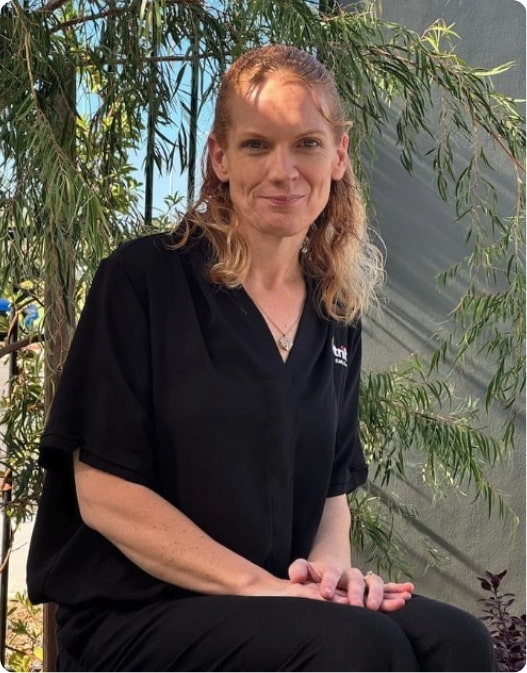
A Note From Donna, Our Canning Vale Centre Manager

We know that for many families in our community, leaving your child at childcare means trusting someone else with your culture, your traditions, and the values you hold dear at home. We take that trust very seriously.

Our goal isn’t just to prepare children for school; it is to make sure that every single day, when your child walks through our doors, they see their family’s background treated with pride and respect. It could be a familiar morning greeting, a storybook written in their home language, or a hot, inclusive meal that tastes like home. In every moment, we want Tribe Canning Vale to feel like a true extension of your own family.

“Seeing the connections that form between children and families from so many different backgrounds is one of the highlights of my role. I want every family who walks through our doors to know that their culture, traditions, and identity are valued, and that their child is cared for in an environment where they can confidently be themselves.”

– Donna, Tribe Canning Vale Centre Manager

Come and visit us

We would love to welcome you into our centre for a chat. Book a time to tour our spaces, meet our team, and let us know how we can help your family feel completely at home here.

The Research Behind Our Approach

We don’t just guess what works best for early development; our day-to-day curriculum is built entirely on proven early childhood science and national standards. If you would like to explore the data behind our curriculum, we encourage you to look into these core resources:

The Australian Bureau of Statistics (ABS)

We use local Census community profiles to ensure our centre environments directly reflect the real-world demographics of Canning Vale families.

The Early Years Learning Framework (EYLF)

Our multicultural curriculum is mapped strictly against the Australian Government’s Belonging, Being and Becoming framework PDF to support emotional safety and community connection.

Child Development Studies

We draw on modern neurological research, such as studies published in Child Development, which show that early exposure to multiple cultural and language frameworks actively enhances a child’s problem-solving skills and long-term cognitive flexibility.